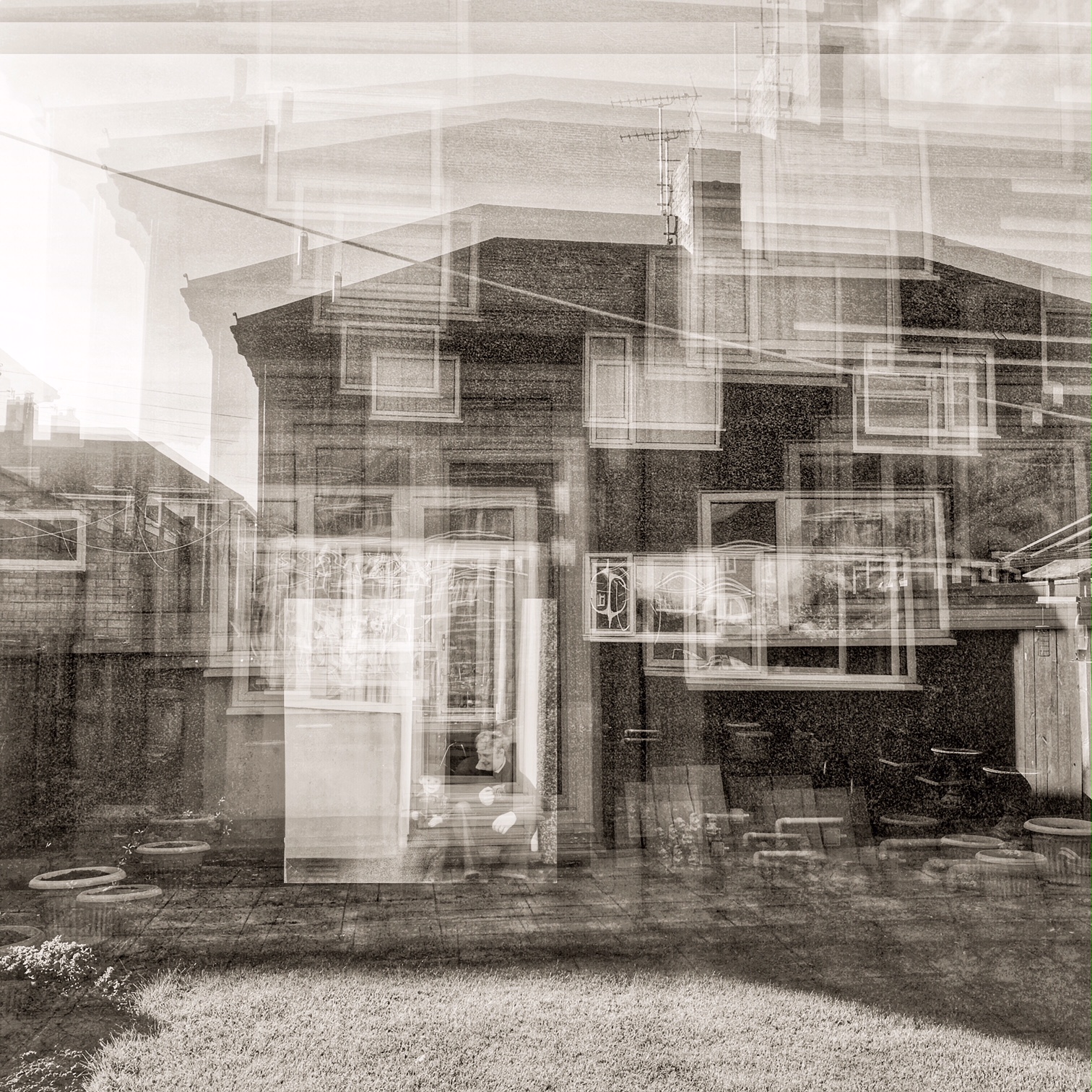
Final Major Project: Project Development, Practice Shoot, 28th December 2018

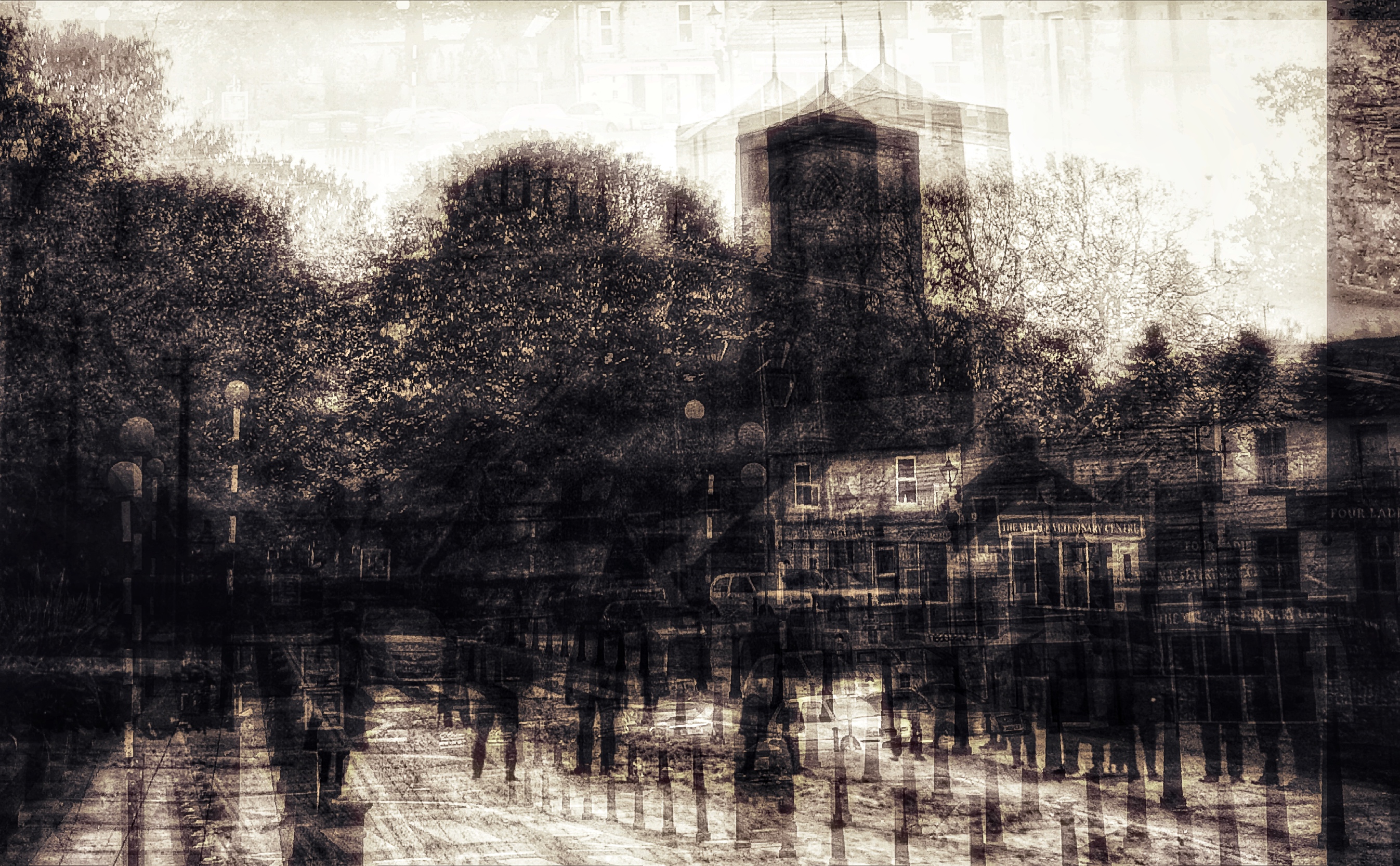
After reading and researching Mindful photography I decided to give it a go. I took my partner to a local country park and we just went for a walk, I took a small bridge camera to just see what happened.

It took me back to last year, and I had gotten injured training for the London Marathon, what was expected to be a small easily fixed injury, was really quite major, but part of my physiotherapy was to go for walks in an attempt to remobilise my joint after being in a moon boot. It helped so I feel it should help again.

We came to a lake and just watched the swans and ducks and I decided to take a photo, I didn’t look at what I had taken (I guess this is what it would feel like when shooting on film!), we just continued on our walk stopping every now and then taking in our surroundings. When we finished the route we went home and then I decided to have a look and see what I had taken.

I felt relaxed and happy, and this was made even happier by my favourite image of the day.

Kirsty Logan, 2018

I have decided to keep trying this technique, as there may not only be some value to it for my FMP but I feel this will also be good for me personally. Combined with the walking it can only do me good.

Final Major Project: Project Development, 21st December 2018

Mindfulness and Photography

Recently photography has been tough because I am struggling with mental and physical issues. Whilst doing some research I came across the terms contemplative photography and mindful photography and it made me want to know more about it.

As I feel like I am in a creative fog and haven’t really found what it is I want to do for my FMP that really excites me, I felt there was no harm in having a look at some different subjects. I felt I needed to kick-start my creativity, as I had so much self doubt due to my low mood. I found lots of articles and books but I think what I take from it is as follows.

An individual needs to stop putting pressure on themselves to get a certain picture at a certain place at a certain time, and it is more about stopping for a moment to actually see what is going on around you, and not just looking but seeing, to allow yourself to breathe and not feel pressured, and once you have taken everything in then start taking some images.

Perhaps in a loose way it can be linked to Cartier-Bresson’s Decisive Moment. You have to be able to properly see what it is you are focusing on to really make the connection and decided to commit that moment for eternity in an image.

I had been putting so much pressure on myself to find my subject, to make images of what I thought I should be doing I wasn’t even enjoying any of it. I was just trying to achieve a goal and not doing it successfully because it wasn’t about anything it was of something!!

I read an article with a viewpoint from a counsellor who advised that sometimes it isn’t so much about the photography which is beneficial but also the walk to get to it, the journey to get to the place to get the image is also part of the therapeutic benefits.

So over the next couple of weeks I have decided to try these techniques, and the activities in Zen Camera and the Practice of Contemporary Photography and see where it takes me, and also to read a bit more about the subject as a whole.

References

Karr, A. and Wood, M. (2011). The practice of contemplative photography. Boston, Mass: Shambhala.

Ulrich, D. (2018). Zen Camera. New York. Watson-Guptill

https://ayearwithmycamera.com/blog/mindful-photography-what-is-it-and-how-do-you-do-it

https://www.amateurphotographer.co.uk/technique/interviews/photography-saved-my-life-photography-as-therapy-117567

Final Major Project – Project Development – 11th December 2018

I haven’t done anything photographically recently I have lots to say but my motivation is very low.

In the last month I have looked at the disease that took my Grandma from us – and in my past I have raised money fro this cause to help others.

We lost another family member this year to a different mental illness and it was this moment that made me wonder if it was time to use this project to look at me own illness.

Earlier this year I received my diagnosis – broadly Inflammatory Arthritis more specifically Seronegative Rheumatoid Arthritis. I suffer pain and discomfort and fatigue everyday – but now it has a name.

There are times when the joy gets sucked out of me because I can no longer to the things that I used to do (and the things that I can not at the same level) there are times when even holding a camera is difficult. Along with all of this there are the mental health affects and for me this is the hardest.

I find that when I concentrate on photography whether that is the taking or the editing, it can some times take some of the pain away, the fuzziness doesn’t make my brain feel so sad. Taking the photographs shows me that I can still do something and I would like to think that by taking about these challenges to others that it could maybe help them too.

I want to hold a workshop to talk to others as well as display my images and show the journey is the way that I would like to go.

I have brainstormed some elements that help to describe my feelings:

  • Dead Flowers with the petals missing.
  • RSVP showing non attendance
  • Tablets

I have also been reading a lot about the #VersusArthritis campaign and this has been really been powerful in showing the different ways people are affected by this disease.

Final Major Project: Group Critique with Krishna Sheth 27/11/2018

This was another great opportunity to meet up with my fellow FMP students and Krishna.

I presented the images that I had presented to Wendy earlier that day, with some really great feedback, I was advised that my images were strong. We discussed that I could look at communities were places that i could look to hold my images as my images were held in my local community.

One important point to raise is that we have to know when to stop – both through when to stop taking images, when to stop searching for what our project is and when to stick with what we should be working – and also to stop over analysing

I discussed my aim to have a workshop which was well received. I also explained that it would be on coping and photography.

References to look at:

Celene Marchbank

Bruce Naumen – at Moma

Changing Face – Telegraph Selfie Taking Campaign

Look at the website Fragmentary.Org – http://fragmentary.org/

Final Major Project – 1:2:1 Tutorial with Wendy McMurdo – 27th November 2018

Summary

After the cancellation of my exhibition space – I shouldn’t panic I still have time!

I shared the images I had taken as part of the task set to me.

We discussed my reluctance over sharing my images of the family archive.

What I need to do with my work:

If I want to continue with Alzheimer’s:

  • I could ask if the Editorial Team could do a piece
  • I already have links to the Events Team
  • This will help me with my links to collaboration.

If I decide to go with a broader mental health issues:

  • I could hold a workshop
  • If I decide to hold a workshop I must have images/documentation to show the experience
  • Development of the mindfulness/contemplative photography skills I have been practising in my personal photography work.

A workshop feels like a really achievable option. It will achieve the SMART objectives i can measure the success against.

Research to follow up:

Whitechapel Gallery – Gillian Wearing – the work she did on her Grandmother

Dafnor Talmor – How she carries out workshops – Perhaps a case study here.

Natasha Carruna – Workshop examples

Jo Spence – Phototherapy

http://www.hospital-rooms.com

Daniel Meadows – look him up on YouTube – Specialises in digital storytelling.

Next Tutorial: 22nd January 2019

Final Major Project – Project Development – 24th November 2018

Whilst being in the stage of not being really sure where I want my work to go, I began some brainstorming of Ideas.

Being uncomfortable with what I feel is exploiting Dementia I thought of ways that I could turn the situation around.

John Darwell came into my memory – A black Dog Came Calling. This project was the basis to practice development within his PhD at Sunderland University and it set off some inspiration within myself.

If I am not comfortable exploiting what in my theory is my on guilt and in turn people who cannot give me permission to tell their story – I am very comfortable in turning this project around and pointing it at myself.

These were some of my thoughts.

I wanted to look at combining poetry or text along side my images with representations of feelings in the photographs.

References

https://johndarwell.com/index.php?r=image/default/category&alias=a-black-dog-came-calling

Final Major Project – Project Development Research – 20th November 2018

As I am looking at the archive of my own family I was directed to look at Nicky Bird and her project Travelling the Archive (2015-2016). Wendy and I discussed that this would be a great way to start.

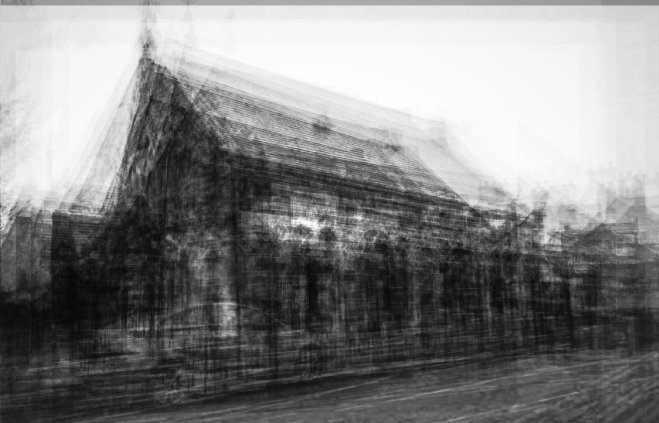
Bird’s work showed my techniques that I could use to represent the loss my family still feels in our lives years after the death of my Grandma from Alzheimer’s.

Whilst Bird’s images are composites and also show images from yesteryear displayed to the public in the community they were originally taken in, the images I was creating felt more raw and emotive – Though this is probably because they are my memories.

The images I selected were all treasured family memories, many were from my own house where I still live and this had a big effect. The images had more impact as they featured my Grandma, along with other relatives some of which have also passed away – making it one of the most difficult photography tasks that I have ever carried out.

Me and Grandma

Like Bird’s work the sites that I visited still resonate and the genealogy links tell a story of not only my past but my family, and the gigantic loss we all felt when we lost of family matriarch.

As with the Family Ties Network, that Bird was involved in I explored the feelings and motivation towards the work I was carrying out.

I feel I wanted to explore Alzheimer’s in a way that respected my Grandma, and in a way that also protected her as when she died she had lost her identity due to the illness so I was very reluctant to share the work as if she no longer knew herself and our family why should I share her identity with those who did not know her. I was adamant and very reluctant as I did not want to exploit vulnerability especially when there was no way to seek permission.

There was also the guilt – when she was alive maybe I didn’t do as much as I should have – even though I was only 15, I should have been more present with her – and this made this piece of work even more difficult and if I shared these images would everyone be able to see that I didn’t do enough? That I should have been a better Grand-Daughter.

This week also came with the news that I no longer have my venue booking for my exhibition due to an administration error and this added to my already over emotional week.

References

https://familytiesnetwork.wordpress.com/

https://nickybird.com/projects/travelling-the-archive-2015-2016/

Final Major Project – Project Development Research– 14th November 2018

After yesterdays tutorial I have had time to think about what we discussed. In truth I am not sure that the Rephotography in the way that we discussed is the way that I want to go with my work.

I have been reading deeper in to the photography of dementia and the links that can be made ice as one example.

A person is frozen in time with the memories melting away.

Nicola Onions Photographed flowers in ice, in her Memoriam collection. As the type of links to the disease is so fitting I wondered about also using the ice but in a different way. Having an image in ice and watching it melt away hopefully taking with it some of the ink until there is no more and the memory has gone. The bubbles in the ice would also represent moments of lucidity. I have got the sense that this could turn into something really special if explored further and I have to say has peaked me interest.

I also thought if not using an image then it would be something that reminded me of the person that I have lost.

  • Grandma – Love/Glasses/Brooches
  • Auntie Joyce – Dogs/Birds
  • Uncle Raymond – Three Lions Emblem

References:

https://cargocollective.com/nicolaonions/Memoriam

Final Major Project – 1:2:1 Tutorial with Wendy McMurdo – 13th November 2018

Summary:

I need to get up to date.

With my Alzheimer’s work I should have the goal of aiming at the Bob & Diane Fund Competition next year. (I’ve just missed the deadline for this year)

Feedback for the new images that I have produced:

  • The less manipulation the better
  • The Silhouette is just an illustration
    • Recreating my memories with the silhouette within it could be too much of a challenge.
  • I should be using the archive that I already have – this being the family album.

What I need to do with my work – 

For the next tutorial – 

  • Photograph in-Situ 12 rephotographs
  • Try new techniques either holding the image or inserting via photoshop.
  • They need to be high quality
  • Create a PDF from here.

Research to follow up:

  • Nicky Bird – nickybird.com
    • Family Ties Network
    • Travelling the Archive images.
    • Test > Projection > Retake
  • Rosy Martin
  • Family Photography
    • This is important – Visual Metaphors
    • Shooting more and collecting more
  • Research the Family Photo Album
  • Either Family – Vernacular Photography
  • Collecting Letters and Cards

Next Tutorial: Tuesday 27th November 2018
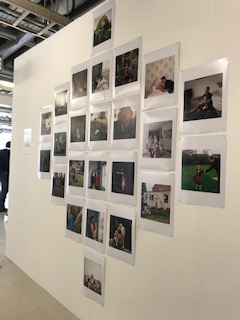
Final Major Project – Photo North Festival – 10th November 2018

This weekend I went to the Photo North Festival at the Harrogate Convention Centre.

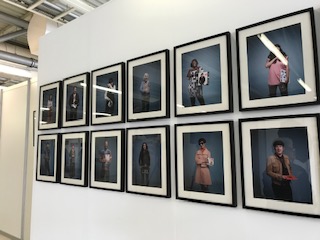
There was several really great exhibitions looking at the social issues of our society. What was really interesting was the Kenny Brown section and the images in the project Cranhill: Images of Place and Memory. Having a similar topic to what I have been considering made it clear what I need to start considering for my own work.

I also had the opportunity to see part of the Invisible Britain Exhibition – it was a buzz seeing the Jenny Lewis image after seeing her at the Falmouth Symposium earlier in the year.

In earlier modules of the MA we covered Jane Hilton and seeing her work All Lit Up in reality it is possible to get up close and see the colours that you cant get full appreciation of from a computer screen.

Well Known Getty Photographer Tom Stoddart had some images on show as part of the Remembrance weekend. It was truly wonderful to get up close to these images and see the beauty of the light. I was also lucky enough to be able to speak to him and discuss his work. I was thrilling to find out he is from my local area and still lives there and he offered me help if I ever needed it with my studies and gave me his contact details. This was truly the highlight of my experience and made it a very worthwhile visit.

This is also an opportunity I intend to follow up.