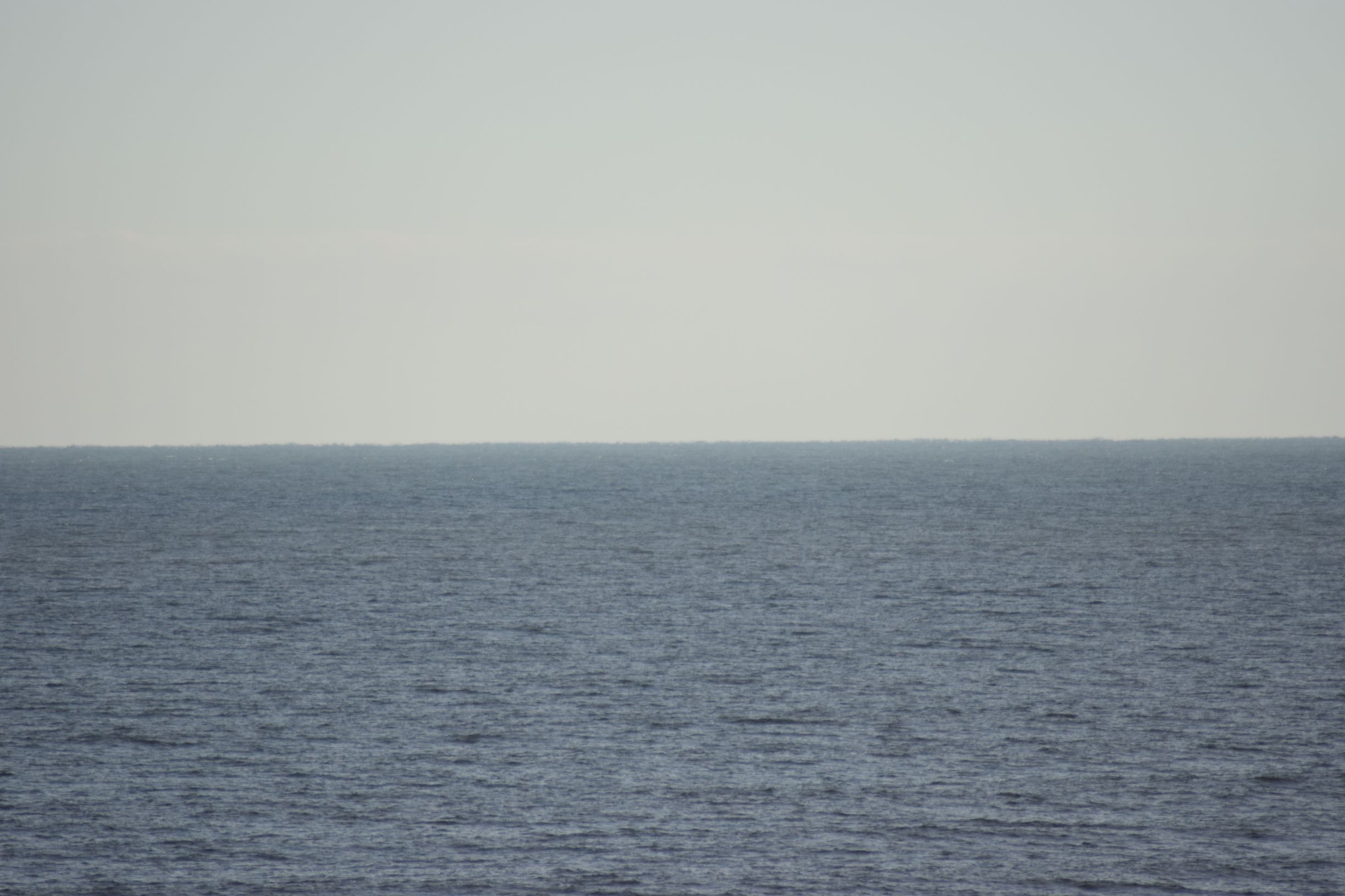
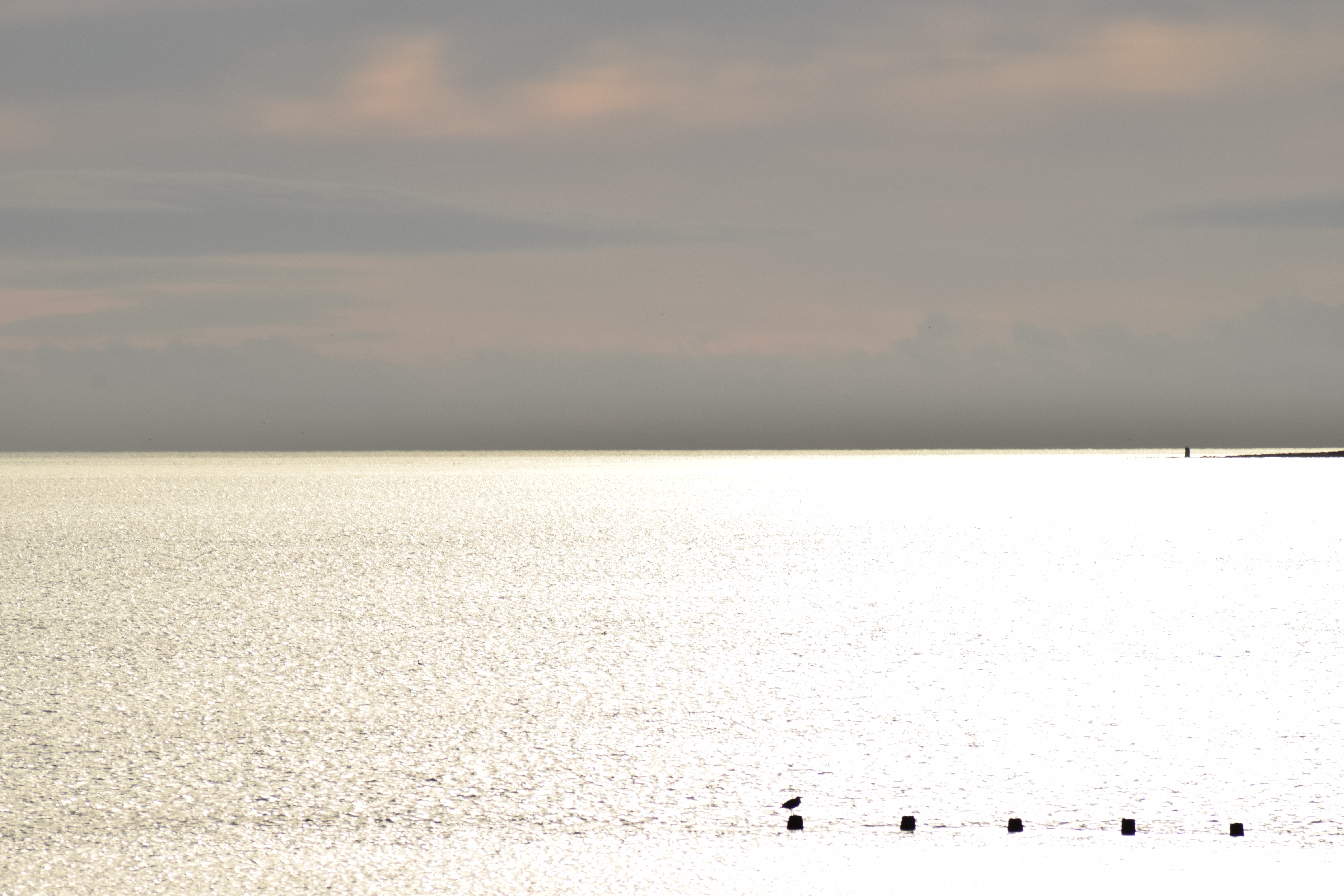
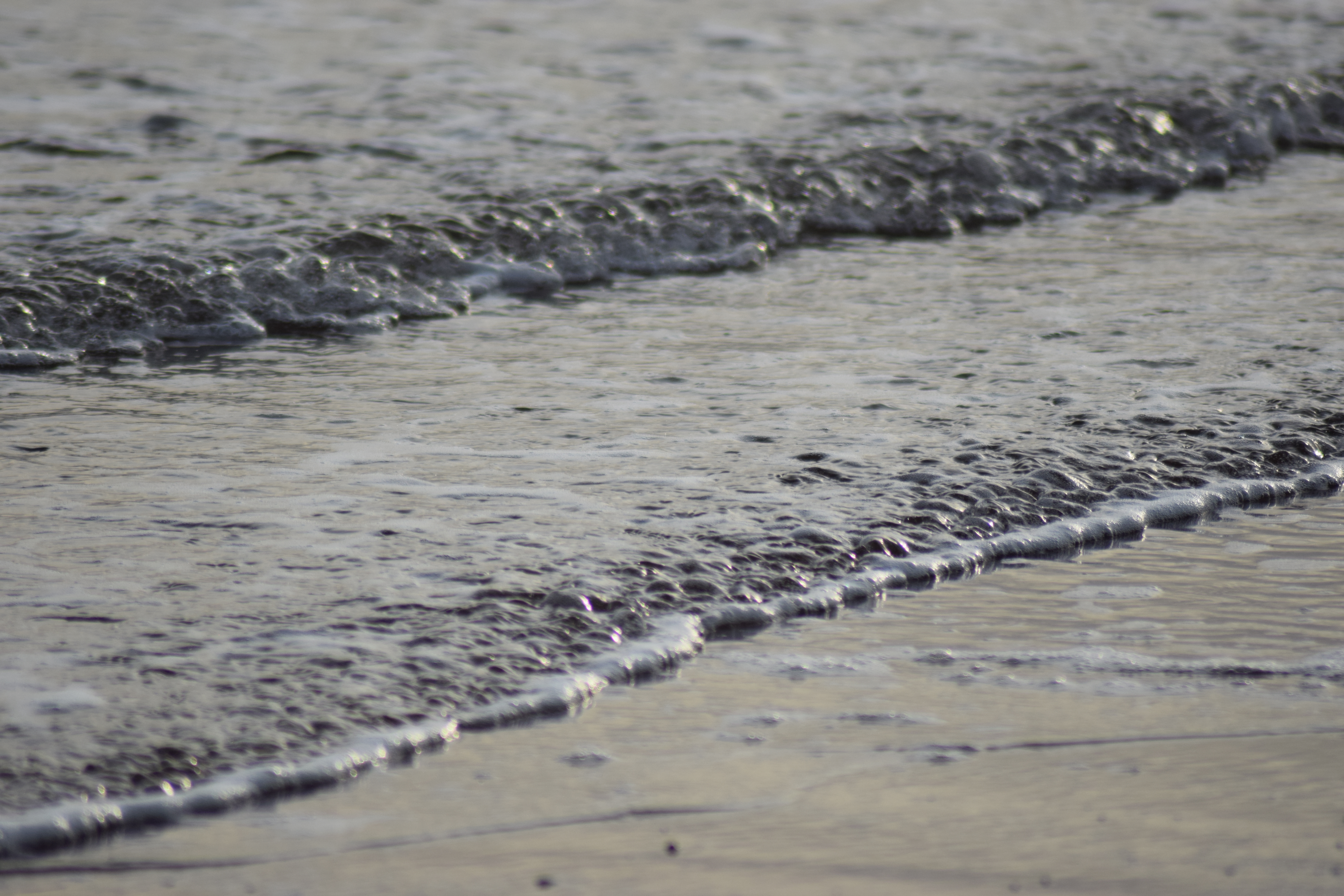
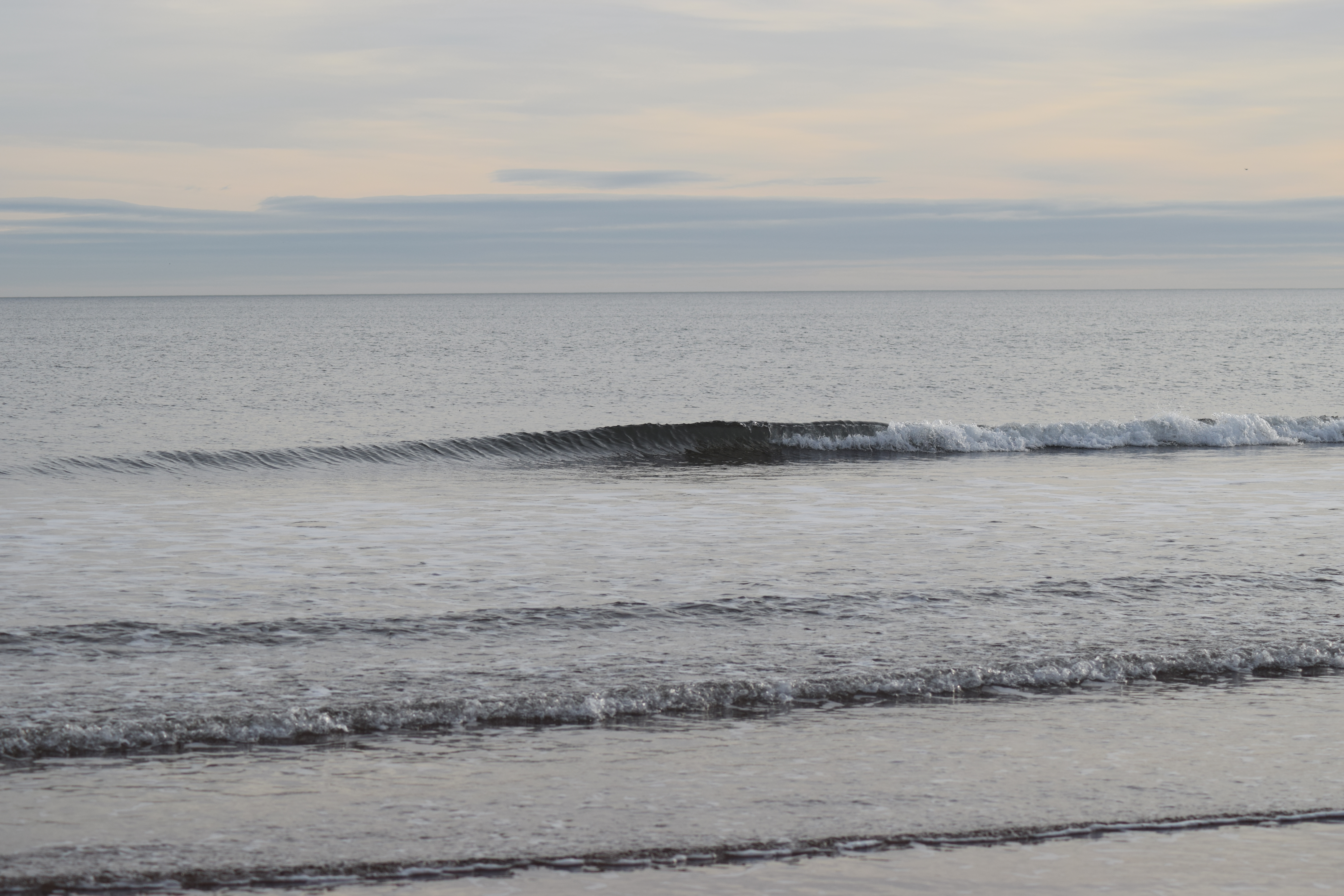
Final Major Project – Project Development Research – 5th February 2019

Hiroshi Sugimoro – Seascape series 1980 – 2002

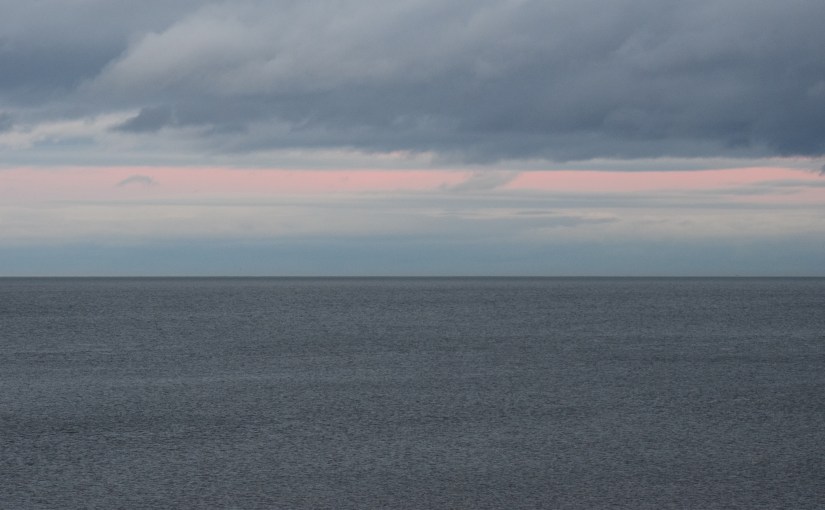
To give the bigger picture of the enormity of mental health, showing large expanses of water was always going to be an important step to take.

It was at this point that Hiroshi Sugimoto was suggested to me, particularly his seascape series.

Sugimoto’s work reminds me in some ways of the artist Mark Rothko. Which I also fin interesting to me as Rothko was also an individual who is said to have suffered with mental health issues, and in 1970 he was found dead in his studio having committed suicide.
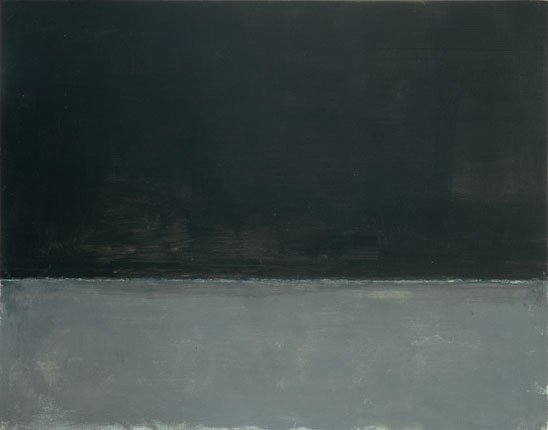
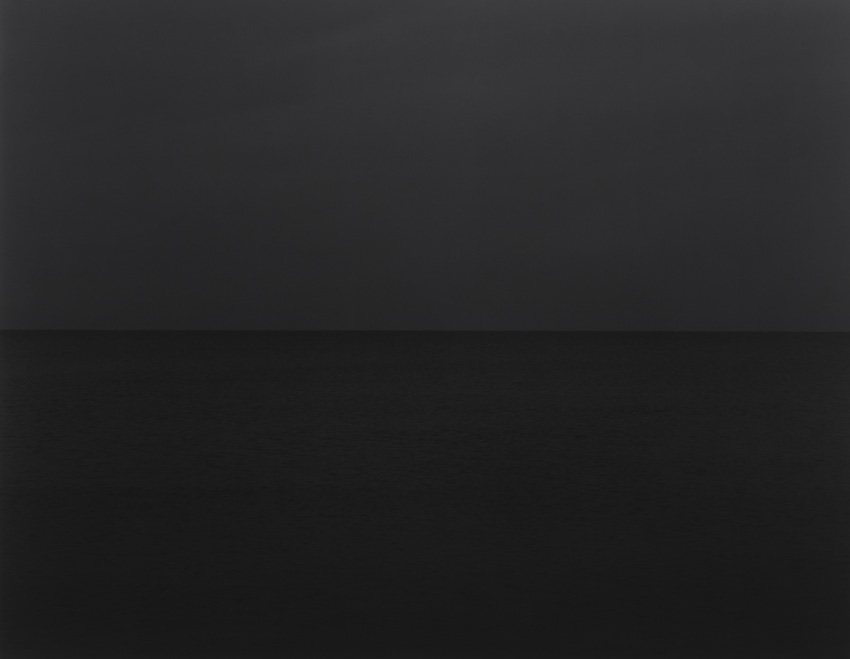
Kirsty Logan, 2019

Many of Sugimoto’s images seem to have a cloudless sky, and this was one of the elements that I knew was not going to work for my project. the clouds are important to my images as to me they express the feelings, stormy skies and water express the struggles an individual can feel when struggling with depression and other mental health illnesses, so this is a point where my work differs greatly from Sugimoto’s

One thing that I do take from Sugimoto’s work is a sense of calm.I’, not sure if this is due to all of the images being black and white. Through my studies it has become well known the impact that colour can have on mental health, which leaves me with the decision of whether I should keep my images with colour or convert to black and white for more impact.

Another are that really interested me was his use of the fog in his images, many people that I have spoken to describe depression as a fog that descends upon you, and is perhaps one of the images that I should consider trying to capture because of this metaphor.

Sugimoto travelled the world to capture the images of ancient seas. This is not something that I would look to replicate, I will be remaining on the North East Coast. I find that when depression and anxiety set in there is an urge to stay within the confines of the familiar, where there is a clear route back home to safety – or possibly the prison of a person’s emotions, it will not be a worldly view like Sugimoto’s but it will be an almost tunnelled approach aiming to survive and sometimes struggling to exist!

References:

https://www.theguardian.com/artanddesign/2008/sep/14/art1

https://i-d.vice.com/en_uk/article/ywdjkk/the-fraught-relationship-between-creativity-and-mental-health

https://www.tate.org.uk/whats-on/tate-modern/exhibition/rothko/rothko-room-guide/room-9-black-on-gray

https://www.sugimotohiroshi.com/seascapes-1

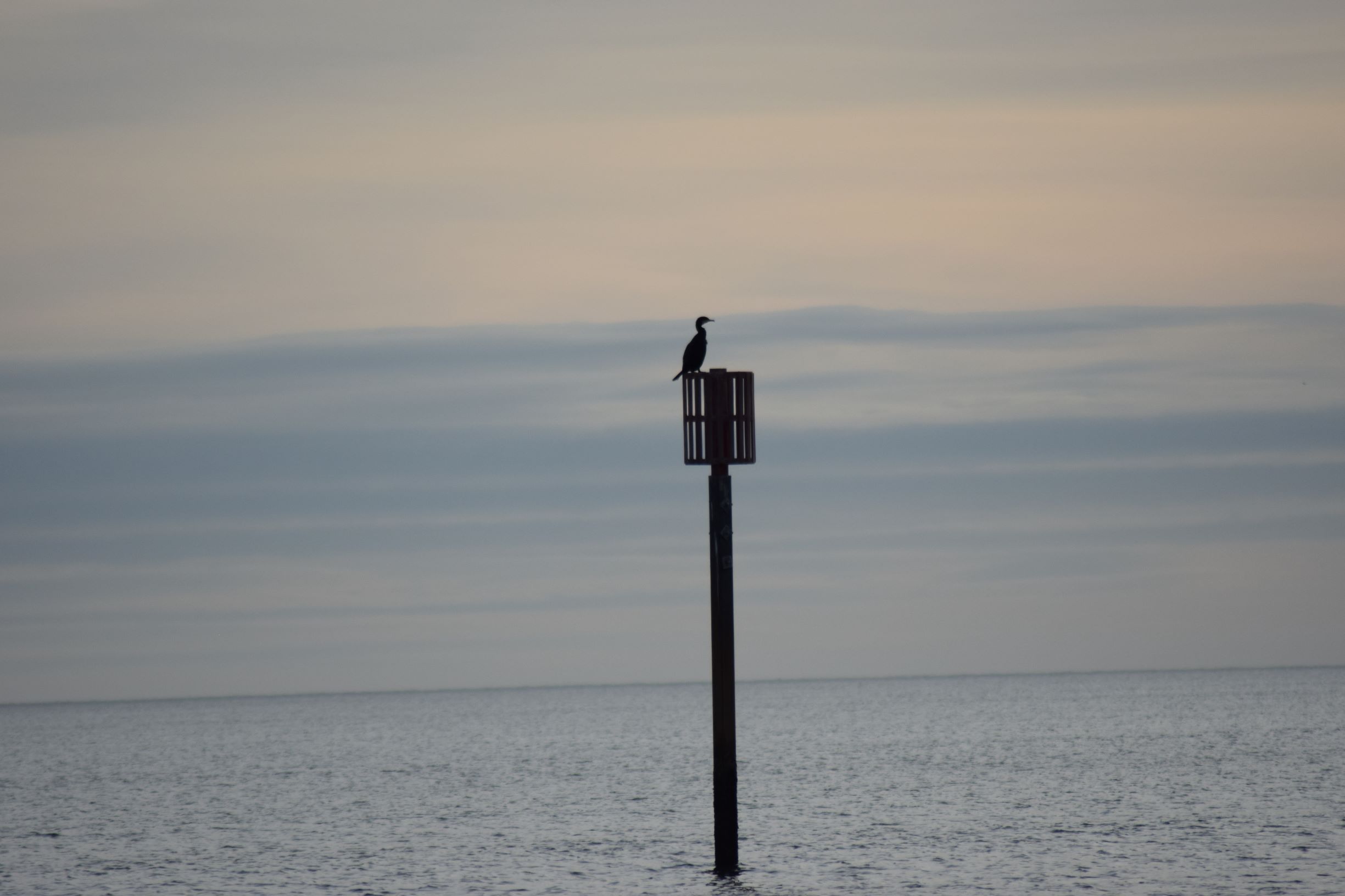
Final Major Project: Development Photo shoot, 3rd February 2019

Location: Blyth Beach

Intent: I wanted to achieve some better quality seascape images. I had tried out some better vantage points and hoped this would give me a more solid grounding for this part of the project.

Equipment: Nikon D3300, Tamron 70-300mm with Macro, Tripod and Gobe ND Filters.

Methodology: I set up my equipment on top of the Blyth Battery, built in 1916 which is a visitor attraction from World War I. The Battery has an artillery house, and this was the perfect place to provide shelter from the snowy conditions and give the perfect vantage point. I wanted to use some long exposure techniques for some of the calmer images of the project, as this was my first time using ND filters I wasn’t sure how it was going to go.

I used the same mindful techniques – on this occasion because I was introducing the filters I did check some of the images to make sure I managed to capture something.

Images:

Research: I researched Paul Sanders this week as his history is really quite interesting but can easily be linked to my own on an mental health basis.

Reflection on the Shoot: This was very much an exploration that in a lot of ways cannot be deemed that much of a success and I should have done more research into the technique of long exposure and how to make it a success.

References:
Paul Sanders on mindful photography https://www.amateurphotographer.co.uk/technique/interviews/photography-saved-my-life-photography-as-therapy-117567

Final Major Project: Gallery Visit 28th January 2019

I visited the New Bridge Project in Newcastle to view a space for an exhibition

This is an image of a preivous exhibition in the room I viewed .https://goo.gl/images/KBUWmP

I liked the space a lot but there would not be open access to it. This is something that I find concerning, as I would prefer it being a managed site after the launch event. It also means that I would need to find an alternative site for the workshop as I don’t feel that the site is safe to hold one in, in its current state.

I do have other sites to see.

Final Major Project: Development Photo shoot, 26th January 2019

Location: Blyth Beach

Intent: After yesterday’s disappointing shoot, I was just looking on this shoot to obtain more imagery and this could be a combination of the macro pattern shots or a seascape. I also wanted to restore more confidence in the techniques that I was intending to use throughout my project.

Equipment: Nikon D3300, Tamron 70-300mm with Macro, Tripod

Methodology: I wanted to get a good mixture of images. Luckily it was a lovely weather day on the North East coast, which made the process very enjoyable. Again I used the steps of stop, look, use the breathing techniques and capture the image.

Mainly on shoots I don’t use tripods, but due to my arthritis this was not possible today. However it did mean that I could get the horizon perfectly straight today, which is something that I hadn’t achieved without editing prior to this.

Research: My main focus is still on Hiroshi Sugimoto and Roni Horn.

Reflection on the shoot: This was much improved on yesterdays efforts and I got some images that I am really happy with, it restored my faith in the process a little. Although I do tend to get a little sidetracked. I have started thinking about the emotions when I shoot, as today I was somewhat limited at what I could achieve due to the difficulty in movement.

Reviewing the images: I am beginning to consider the final appearance – as I feel the subject of my work is quite dark and I have been very lucky on most of the days I have chosen to shoot on, they are really quite bright which I don’t think is a true feel of the project I have chosen to consider. I think I need to think about this carefully.

Final Major Project: Development Photo shoot, 25th January 2019

Location: Seaton Sluice Beach.

Intent: Further to discussions with tutors and my research, I want to try some seascapes to assist the viewer see the scale of my project.

Equipment: Nikon D3300, Tamron 70-300mm with Macro

Methodology: I wanted to ensure that the water was represented in more than just detailed shots, I had to carefully pick the point I stood carefully as the North East Coast is a hub for wind turbines! I continued to use the mindful techniques that I had learnt and this is becoming pivotal to my work.

Research: Hiroshi Sugimoto was recommended to me by Wendy. My first thoughts of the initial images I have seen is that the are too perfect for what I am looking for. As I delve deeper into exploring mental illness from my own perspective, I feel the clouds are essential as they feel like the thoughts good or bad that go in and out of a persons mind

” Every time I view the sea, I feel a calming sense of security “


Hiroshi Sugimoto

Reflection on the Shoot: I think this was a good introduction to seascapes – However due to the time of year I lost light really quickly and this was a good reminder that I really need to think about how I want my images to look and consider when I plan my shoots to think about the time of day and the light at that time of day, along with checking the weather forecast.

References:
Hiroshi Sugimoto –
https://www.sugimotohiroshi.com/seascapes-1

Final Major Project – Project Development – 15th January 2019

Mindfulness and Photography: Going with the flow.

Whilst I am not sure if mindfulness is the correct term it was the first steps I took in trying to process what it was that I wanted to look at in terms of mental health and photography in relation to my own experience.

I had been working through social media when I came across an image by a photographer I know who had spent the afternoon learning to capture reflections in water and how refreshed she felt afterwards.

I took this a a cue. As I have previously advised whenever I feel difficulties arising I take myself away to sit beside the water and let the sights and sounds wash over me and wait until I feel better.

I felt this was definitely the way that I needed to take my project and try out capturing the movement of the water as it is this element that I find important and turn it to be creative.

I took the images I had taken during one of my walks and edit them to be a bit more meaningful.

I was very pleased with the outcome and it has given me a really clear route forward.

Not only is this work in development helping me with my own well being, it is also allowing me to reintroduce some of the macro photography that I started my MA journey with. This is a real joy to me.

Final Major Project: Development Photo shoot, 12th January 2019

Location: Plessey Woods Country Park

Intent: I wanted to try out the techniques that I had been learning reading around the subject of mindful and contemplative photography.

I was not to look at the images until I had returned home from the shoot and had a break.

I also wanted to practice some of the breathing techniques that I had learnt as I was struggling with quite a high degree of anxiety. Which was another reason that I wanted to see if photography really could be a therapy like it had been explained in the books that I was reading.

Equipment: Nikon D3300, Tamron 70-300mm with Macro

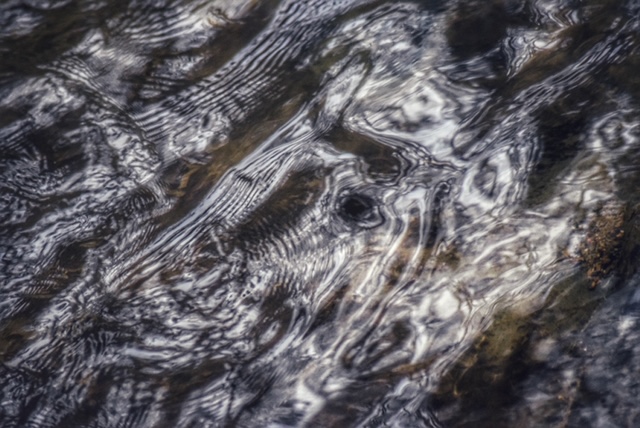
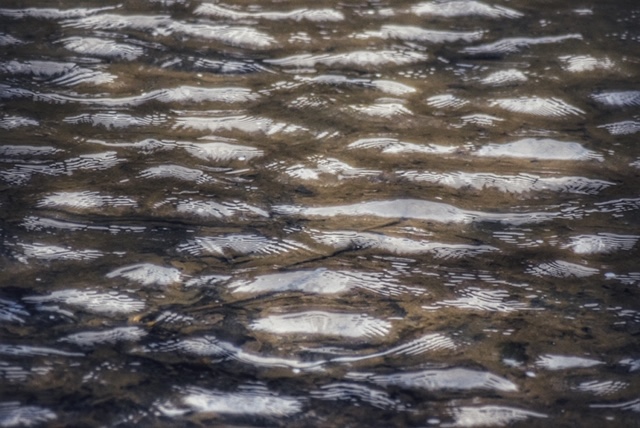
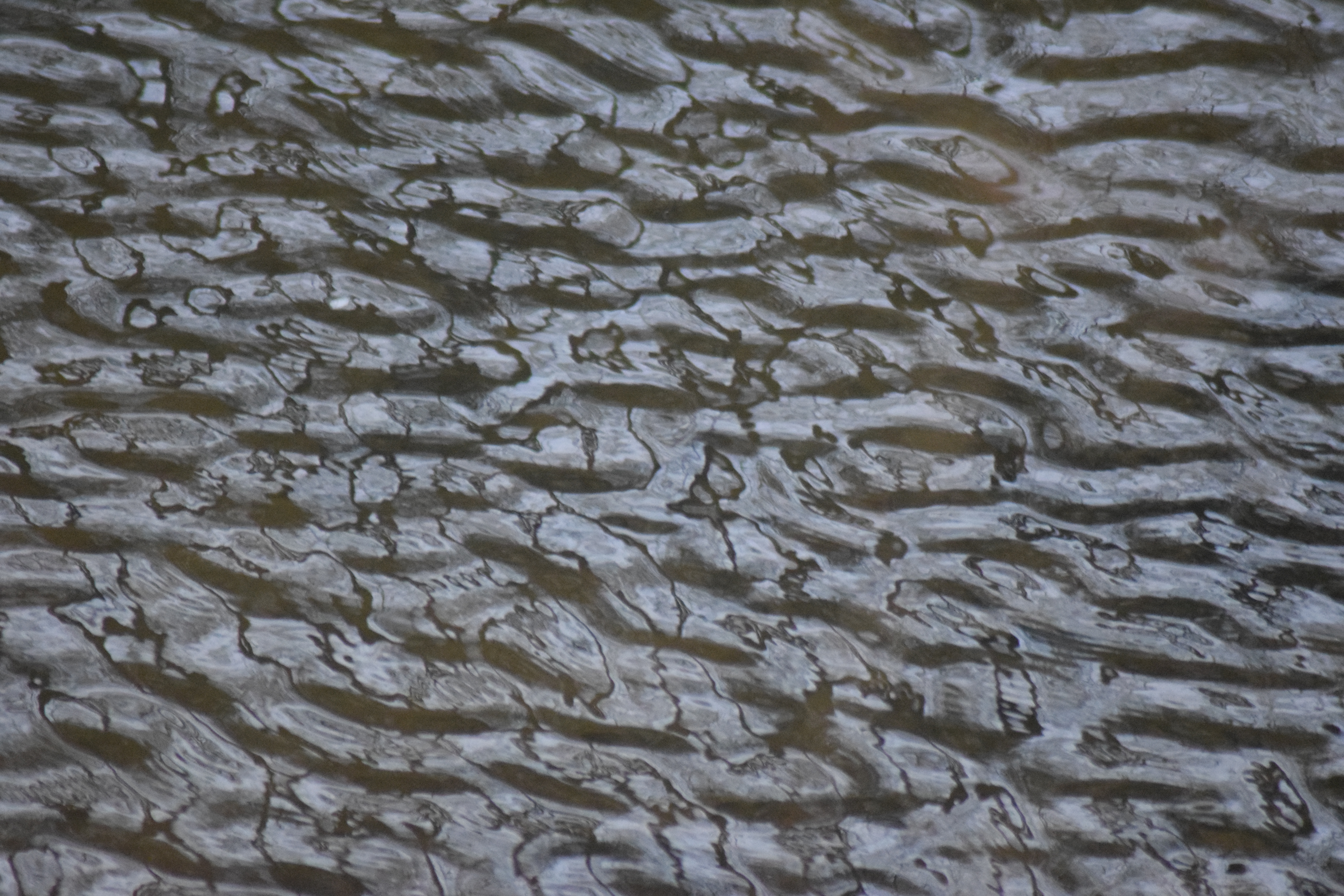
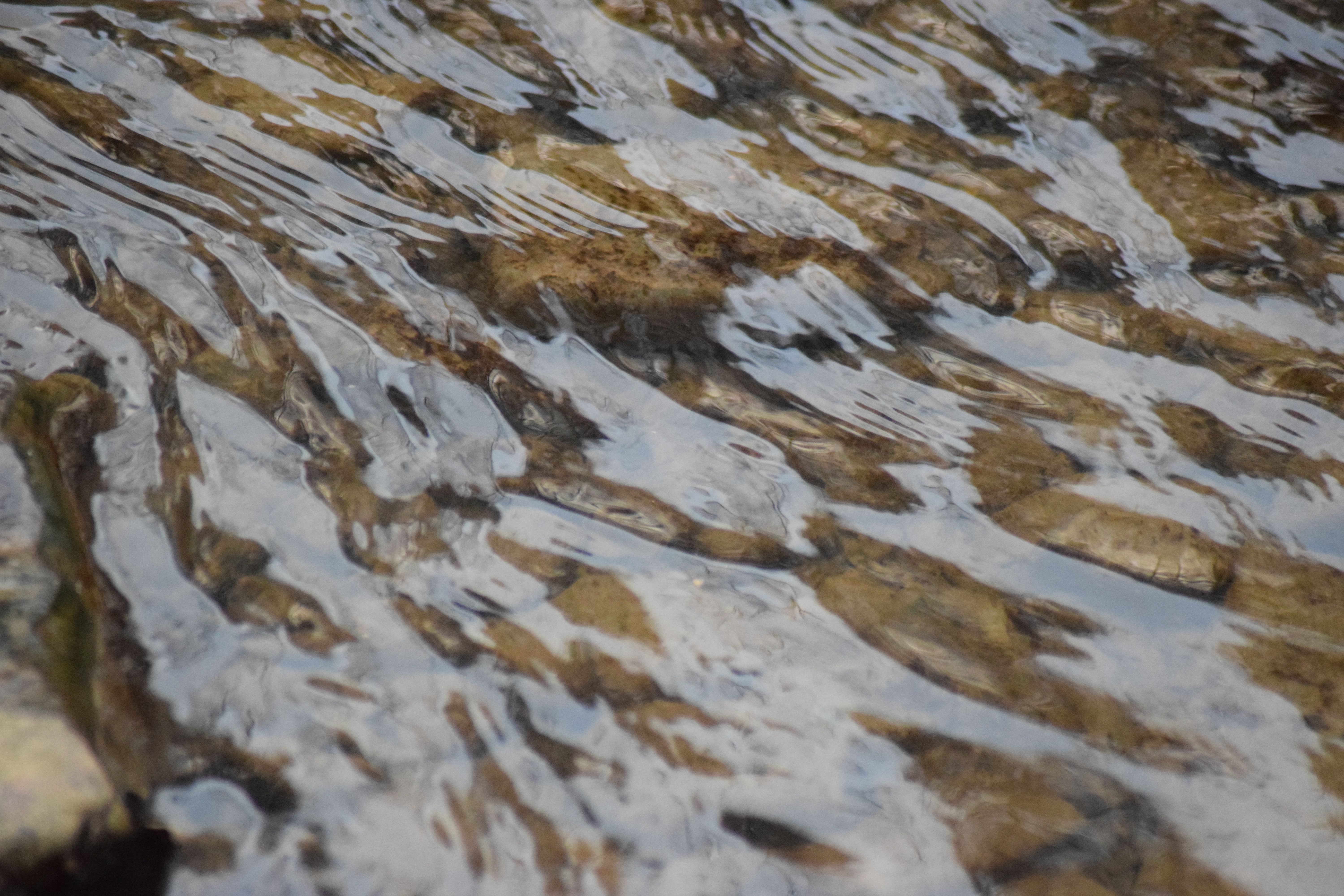
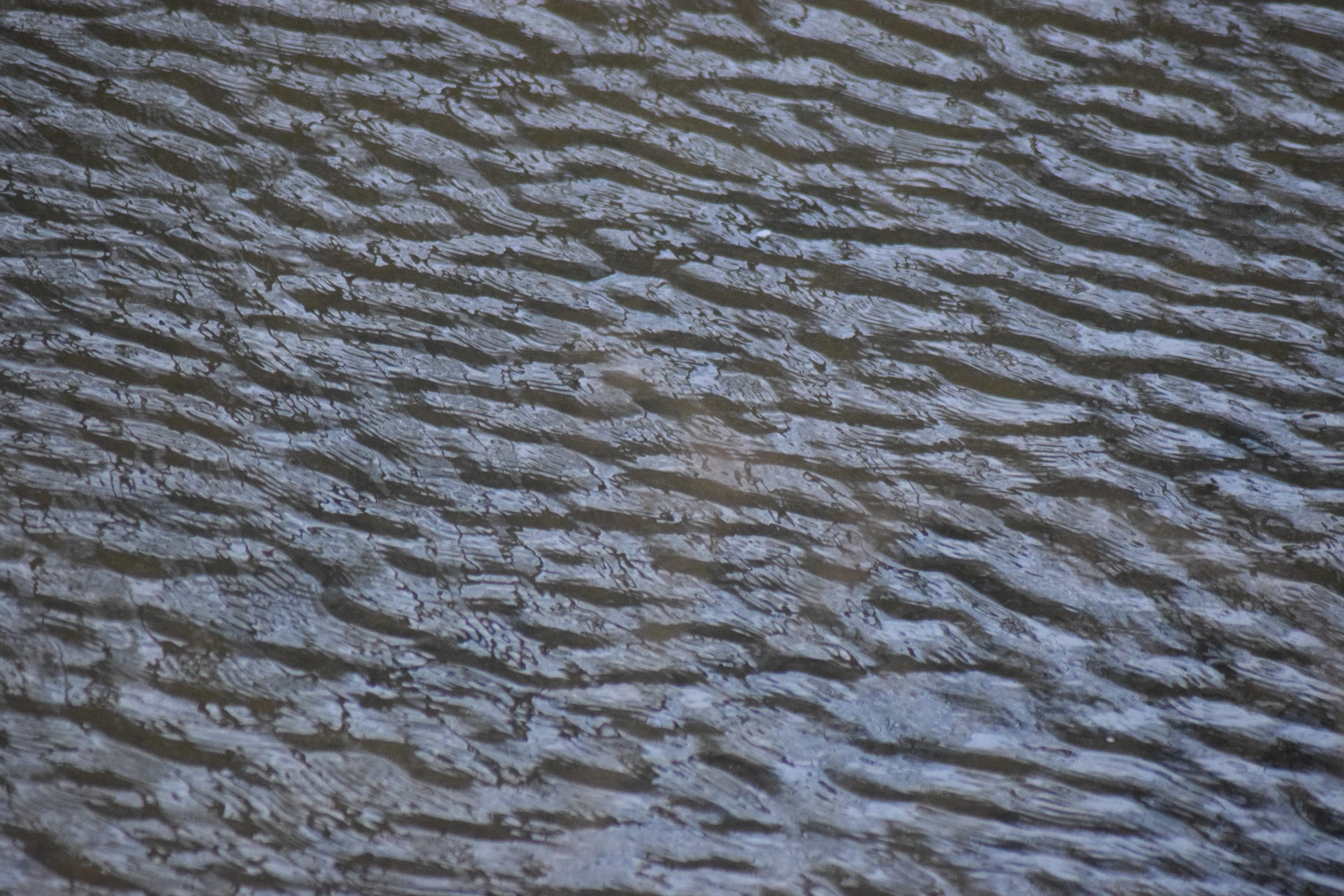
Methodology: I wanted to focus on water primarily but if other subjects caught my eye I didn’t want to rule them out. At first I thought I would simply be looking for water reflections. However once I started shooting I had the feeling that the reflections was not what I was drawn to and in fact it was the water patterns that I was finding intriguing.

I did not look at the images in camera as per the lessons that I had learnt. I also worked with the concept that I should stop, look at what I was taking an image of, take a moment to use the breathing techniques and then take the image, and then move along on my journey, my meanderings through the forest and take the time to enjoy my surroundings.

Whilst these are unedited, I’m not sure that this is how I want to present them and I edited some of them.

Research: I started to research some photographers and came across Fleeting Reflections by Mike Curry. He also included some water pattern images but his was quite focused on the reflections that the world had as a whole on the water and I think it really was just the water itself that I was interested in.

Reflection on the shoot: I felt that this shoot not only held the therapeutic benefits that I was searching for but also the process was very enjoyable and I think the images that I achieved really speak to me. This is very much something that I want to take forward with me.

References:

Final Major Project – Project Development – 8th January 2019

I have started to contemplate how I should use my experiences of photography and how I can use it as a technique to assist in my anxiety management.

Whenever my anxiety hits a fever pitch I can feel it creeping up my throat. It is times like this that I go in search of flowing water.

The smell of the sea or a river running through a forest is powerful – as are the connotations of strength. There being no pollution, just the nature and serenity and sound of flowing water or lapping waves is instantly calming to me. The patterns the water creates, the ripples that are far reaching. The way that it finds its route no matter what helps me to feel a bud of strength and positivity return.

This week I went out for a few hours to do exactly this, allowing me to be only present in the moment not to focus on my anxiety the affects of my physical disease, or the pressures of my work circumstance. I find this is the release to help me to move forward and not get trapped into the negativity.

Water is important to me also for the metaphors I associate with it.

  • Water like time does not stand still
  • It always finds a way whatever the obstacles are put in its path
  • You don’t know how deep it goes, like the depths of my emotions.
  • Water can help wash away the negative feelings I have.

This is really important to consider in relation to maintaining my mental health.

I have also been reading around the subject of Mindfulness and contemplative photography as I have adopted it as a very important step on my journey to good long term mental and physical health.

I have prepared a shooting list to follow up with more images:

  • Plessey Woods
  • Morpeth
  • St Mary’s Lighthouse
  • Tyne
  • Holywell Dene
  • Jesmond Dene
  • Seaton Sluice Harbour and beach
  • Longsands, Tynemouth
  • Blyth Beach

Final Major Project: Project Development, Practice Shoot, 28th December 2018

After reading and researching Mindful photography I decided to give it a go. I took my partner to a local country park and we just went for a walk, I took a small bridge camera to just see what happened.

It took me back to last year, and I had gotten injured training for the London Marathon, what was expected to be a small easily fixed injury, was really quite major, but part of my physiotherapy was to go for walks in an attempt to remobilise my joint after being in a moon boot. It helped so I feel it should help again.

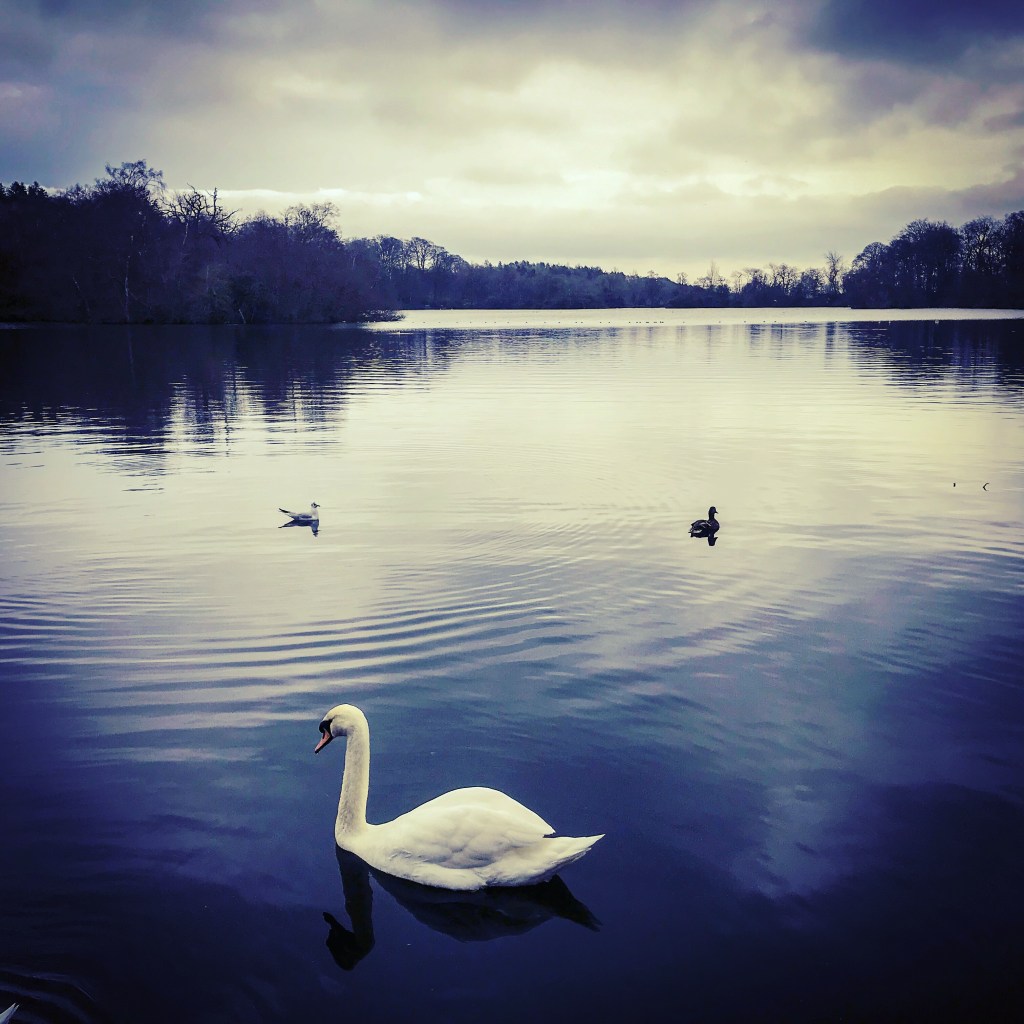
We came to a lake and just watched the swans and ducks and I decided to take a photo, I didn’t look at what I had taken (I guess this is what it would feel like when shooting on film!), we just continued on our walk stopping every now and then taking in our surroundings. When we finished the route we went home and then I decided to have a look and see what I had taken.

I felt relaxed and happy, and this was made even happier by my favourite image of the day.

Kirsty Logan, 2018

I have decided to keep trying this technique, as there may not only be some value to it for my FMP but I feel this will also be good for me personally. Combined with the walking it can only do me good.

Final Major Project: Project Development, 21st December 2018

Mindfulness and Photography

Recently photography has been tough because I am struggling with mental and physical issues. Whilst doing some research I came across the terms contemplative photography and mindful photography and it made me want to know more about it.

As I feel like I am in a creative fog and haven’t really found what it is I want to do for my FMP that really excites me, I felt there was no harm in having a look at some different subjects. I felt I needed to kick-start my creativity, as I had so much self doubt due to my low mood. I found lots of articles and books but I think what I take from it is as follows.

An individual needs to stop putting pressure on themselves to get a certain picture at a certain place at a certain time, and it is more about stopping for a moment to actually see what is going on around you, and not just looking but seeing, to allow yourself to breathe and not feel pressured, and once you have taken everything in then start taking some images.

Perhaps in a loose way it can be linked to Cartier-Bresson’s Decisive Moment. You have to be able to properly see what it is you are focusing on to really make the connection and decided to commit that moment for eternity in an image.

I had been putting so much pressure on myself to find my subject, to make images of what I thought I should be doing I wasn’t even enjoying any of it. I was just trying to achieve a goal and not doing it successfully because it wasn’t about anything it was of something!!

I read an article with a viewpoint from a counsellor who advised that sometimes it isn’t so much about the photography which is beneficial but also the walk to get to it, the journey to get to the place to get the image is also part of the therapeutic benefits.

So over the next couple of weeks I have decided to try these techniques, and the activities in Zen Camera and the Practice of Contemporary Photography and see where it takes me, and also to read a bit more about the subject as a whole.

References

Karr, A. and Wood, M. (2011). The practice of contemplative photography. Boston, Mass: Shambhala.
Ulrich, D. (2018). Zen Camera. New York. Watson-Guptill

https://ayearwithmycamera.com/blog/mindful-photography-what-is-it-and-how-do-you-do-it

https://www.amateurphotographer.co.uk/technique/interviews/photography-saved-my-life-photography-as-therapy-117567